

Pre-Exit Checklist: What Every Exit Planner Should Have Prepared in a Data Room

TJ Mourzzi
Published At Fri Jul 11 2025
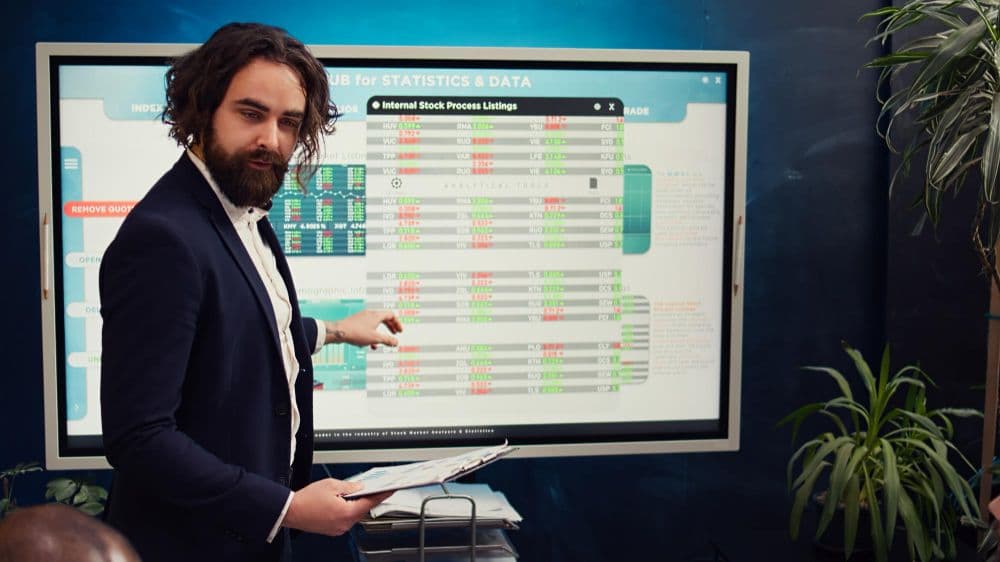
When planning an acquisition, merger, or simply aiming for a smooth business exit, one thing is certain: your data room could be the deciding factor between a successful or unsuccessful deal.
Imagine a prospective buyer logging into their account and finding an unorganised, outdated, or inaccurate data room. This not only arouses suspicion but can also slow down the process, diminish your business’s value, and cause the sale to fall through. We must prevent these bad impacts from happening.
Here is a quick yet comprehensive list of items an exit planner should keep in their data room. It should be well-organised, easily accessible, and 100% deal-ready.
The Ultimate Pre-Exit Data Room Checklist
1⃣ Corporate and Legal Docs
Begin with the fundamentals. They are the papers that confirm the existence of your company and who is the person in charge, and the way it's organized.
- Articles of Incorporation & Bylaws
- Operating Agreements or Shareholder Agreements
- Resolutions and minutes of the Board
- Chart of the organization (current and historic, if relevant)
- Cap table (updated to include option pools and convertible notes)
Buyers need to know who the owner of the property is, as well as if there's anything unexpected inside the property.
2⃣ Financial Statements & Reports
Buyers are looking for the financials. Not just the profits, they'd like to see the whole view of the financials.
- Three years of financial statements for 3-5 years (audited if they are they are available)
- Year-to-date financials
- Budgets, forecasts, and projections
- Debt schedules
- Tax returns (past three years)
- Financial KPIs, dashboards or any other financial metrics
If you believe your data tells a positive story, don’t hide it in a messy spreadsheet. Ensure you organise, highlight trends, and add comments.
3⃣ Key Contracts & Agreements
The buyer would like to know the commitments that you're bound to as well as what obligations you'll inherit.
- Contracts between vendors and customers
- Leases (office equipment)
- A contract for a loan or financing
- Deals in distribution and licensing
- LOUs, MOUs and NDAs - everything legal fine print
Mark contracts that contain Change-of-Control clauses. This could trigger negotiations or a termination during the sale.
4⃣ Intellectual Property
What's unique about your business? This is the IP that you have. It should be protected, clear and transferable.
- Trademarks, patents, copyrights
- Domain ownership information
- Software code (if relevant), Licenses, software code and documents
- Agreements for the assignment of IP rights to employees
- In the event of current IP litigants or disputes
Even if your IP's value is low, make sure it's safe and controlled by the company not just a lone freelancer five years back.
5⃣ People & HR
Your employees are important. Customers want to know who's driving the company, as well as what it will cost to keep the team.
- List of employees with their roles, salary and bonuses.
- Employment contracts, offer letters and contract of employment
- Org chart
- Policies and benefits
- Handbooks, policies and HR handbooks
- All ongoing or previous disputes or complaints
Highlight employees that are a source of value, and then show whether they're covered by retainer agreement.
6⃣ Operational Insights
Customers want to know how your company is run, and not only what they earn.
- Standard Operating Procedures (SOPs)
- CRM/ERP tools and systems that are used
- Reports on inventory (if relevant)
- Customer lifecycle and sales pipeline measurements
- Policies for the security of data as well as the IT infrastructure
- Disaster recovery or business continuity strategies
This can reassure clients that the company won't collapse when you depart.
7⃣ Marketing & Customer Data
Demonstrate how your brand's performance attracts customers and keeps them loyal.
- Customers list, including key measures (CLTV and churn).
- Strategies and plans for marketing
- Performance reports (ads, email campaigns, etc.)
- Performance analysis
- Feedback from customers or customer testimonials
- Documents on positioning or market research
If you've got excellent customer feedback or solid CAC-to-LTV ratios, don't be uninformed, this could boost your value.
8⃣ Risk & Compliance
The buyer does not want to be greeted with an after-deal shock. Be sure to show that you've stayed aware of both financial, legal and operational risks.
- Licenses and certificates of compliance
- GDPR, or compliance with data privacy laws
- Environmental reports (if applicable)
- The history of litigation or the current proceedings
- Insurance policies (general liability, D&O, etc.)
Regardless of whether there are risks, showing that you're managing them will build trust.
Bonus: Custom "Buyer Pack"
Make a folder that is curated for customers that contains:
- Executive Summary
- A one-page summary of the points
- You must provide a rationale for your decision.
- FAQ log (if buyers have already been asked questions)
- Maps that fold make navigation simple
Make their lives simple. The easier the procedure will make it, the more secure they'll feel in the future.
Final Thoughts:
An organized data room can tell that the buyer you're running a smooth operation. It increases trust, speeds the process of due diligence and helps you gain an edge when it comes to negotiation.
So don't wait until a buyer asks. Set up your data space the early as possible prior to the time you start selling, in the future, you'll be grateful.